

When Silence Isn’t a Choice: What Happens When You Can’t Communicate in Hospital?
Clinically Reviewed | 15 July 2026
This article has been reviewed for clinical accuracy, patient safety, and appropriate presentation of medical information by Aliese Oxenham, BSc in Nursing and Social Work, RN.
A full reviewer disclosure is provided at the end of this article.
Verify Aliese Oxenham’s NMC registration status via the NMC register
Human rights, dignity and medical decision-making
Health isn’t just about procedures or policies, it’s about people. That’s why this powerful post from the British Institute of Human Rights (BIHR) caught our attention. It explores the lived experiences of patients and care home residents who suffered deep emotional and psychological distress when access to loved ones was restricted during the pandemic.
This isn’t just about COVID. It’s about how human rights, such as the right to family life and dignity, must remain protected in times of crisis. And it raises urgent questions about how our medical system balances safety with compassion.
In brief: This article explains why losing mental capacity can leave people vulnerable in hospitals, care homes, and medical emergencies if their wishes are not clearly recorded or easy to find. It looks at human rights, dignity, family involvement, Advance Decisions, Living Wills, and why planning ahead can help protect a person’s voice when they cannot speak for themselves.

What the BIHR Article Highlights:
- Patients and residents were often isolated for weeks or months, unable to see close family members.
- In many cases, this led to severe emotional decline, especially for older people and those with learning disabilities or dementia.
- The article reminds us that human contact is not a luxury; it’s a right.
- It calls for greater accountability and rights-informed policies that respect the individual, not just the system.
Supporting Staff to Uphold Human Rights
Following a two-part human rights programme with the British Institute of Human Rights, 223 NHS workers were asked what changes they intended to make.
Respondents could identify more than one action, so each figure should be read separately.
193 out of 223
Said they would review decisions made by themselves or others about a person’s support, where those decisions could put their human rights at risk.
117 out of 223
Said they would review their organisation’s policies or services to identify possible improvements.
188 out of 223
Said they would review blanket decisions or approaches used within their own organisation or by partner organisations.
Source: British Institute of Human Rights, “Human Rights in Action: The Importance of Visitors for Residents and Patients”.
You can read the full BIHR article here:
👉 The Importance of Visitors for Residents and Patients
Why This Matters More Than Ever
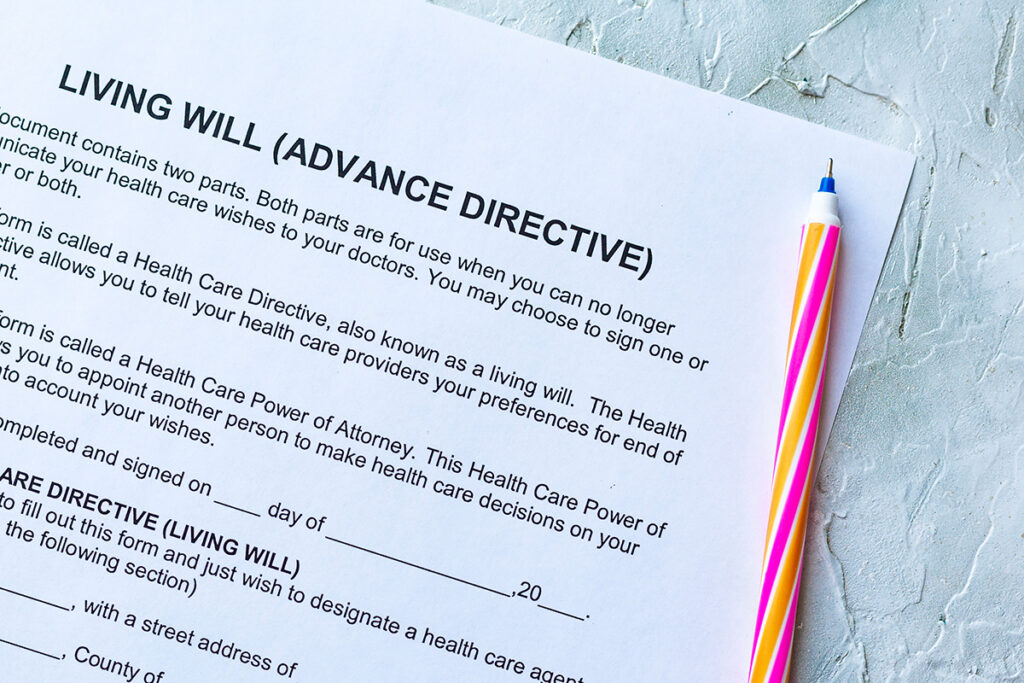
When a crisis happens, whether it is a sudden accident, a hospital admission, or a medical emergency, decisions often need to be made quickly. If your wishes are not clearly recorded and easy to access, healthcare professionals may have to rely on the information available at the time.
Loss of capacity is not just about dementia. It can happen suddenly if you are unconscious, under anaesthetic, sedated, heavily medicated, or seriously unwell. In those moments, you may not be able to speak for yourself, which is why clear healthcare planning matters.
That is where My Medical Choice can help. By recording your healthcare preferences in advance, including an Advance Decision to Refuse Treatment, you can make your wishes clearer before they are needed.
Advance Decisions are legally binding in England and Wales (and widely recognised across the rest of the UK), and when valid and applicable, can guide healthcare professionals if you are unable to communicate.
My Medical Choice helps make those wishes easier to access in an emergency. The system provides emergency services with access to your critical medical information and recorded instructions, while also notifying your chosen emergency contacts in a crisis.
It can also help you record specific treatment preferences, including treatments you have clearly chosen to refuse.
This is not about fear. It is about clarity, preparation, and helping ensure your voice is still present when you cannot speak for yourself.
If you want to make your wishes legally clear in England and Wales, this guide explains how to create an Advance Decision to Refuse Treatment (ADRT)
Important: Advance Decisions are legally recognised under the Mental Capacity Act 2005.
My Medical Choice helps make your recorded wishes easier to access when they are needed most.

Want to See the Full Picture?
If you’re wondering how an Advance Decision Notice compares to a full medical legal protection system, and which is right for you, we break down the key differences in this helpful article:
Because protecting your medical rights isn’t a luxury, it’s a necessity.
Clinical Review, Disclosure and Disclaimer
Clinically Reviewed & Last Updated: 15th July 2026
This article has been independently reviewed for clinical accuracy, patient safety, and appropriate presentation of medical information by Aliese Oxenham, BSc in Nursing and Social Work, RN.
Aliese Oxenham was compensated by My Medical Choice for her time and professional input.
This article is for general educational purposes only and should not be treated as personal medical or legal advice. Readers should consult their own healthcare team, GP, or a suitably qualified legal professional about their individual circumstances, healthcare choices, and advance care planning.
Verify Aliese Oxenham’s NMC registration status via the NMC register
Written by GioC, contributing writer for My Medical Choice, with several years of experience creating educational healthcare content to support patient rights and future planning in the UK.
Related Reviewed Guides
* Medical guidance changes over time. This article is periodically reviewed and updated to help ensure the information remains accurate and reflects current UK guidance where applicable.